Robotic Mitral Valve Repair: A New Era in Minimally Invasive Heart Surgery
Robotic heart surgery opens new possibilities for repairing the mitral valve using minimally invasive techniques, avoiding open sternal incisions and promoting faster recovery in selected patients.
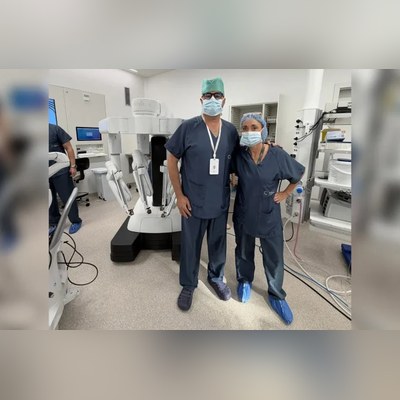
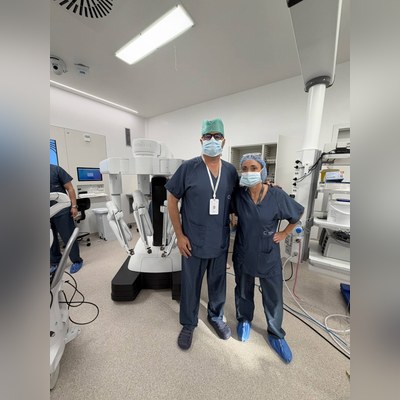
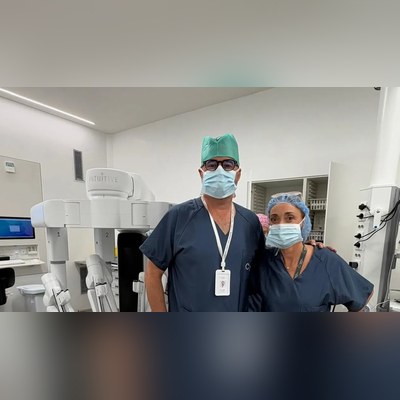
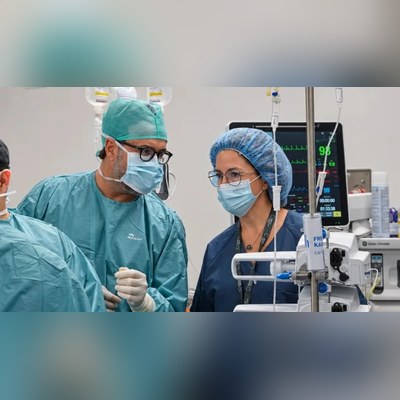
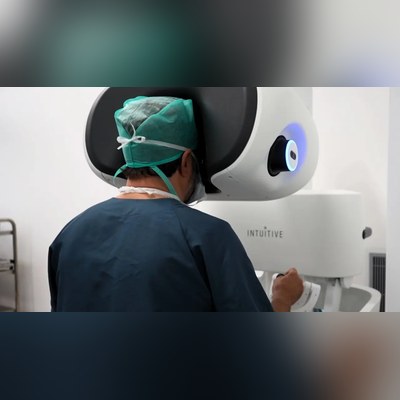
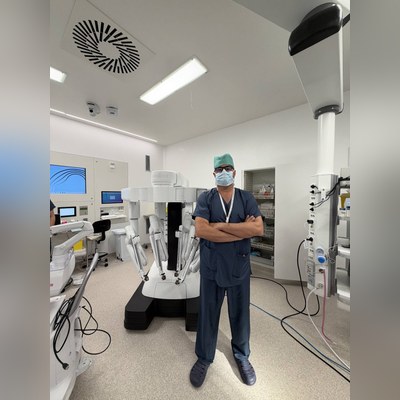
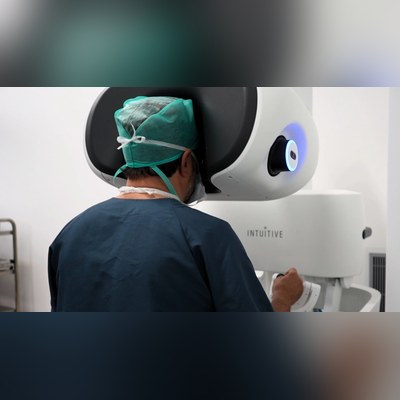
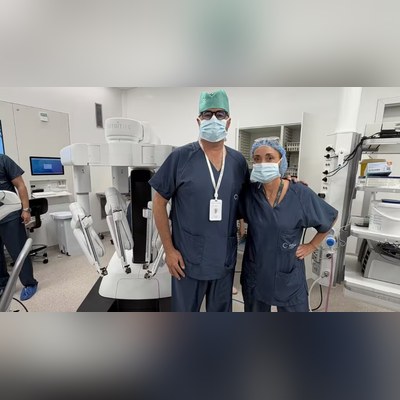
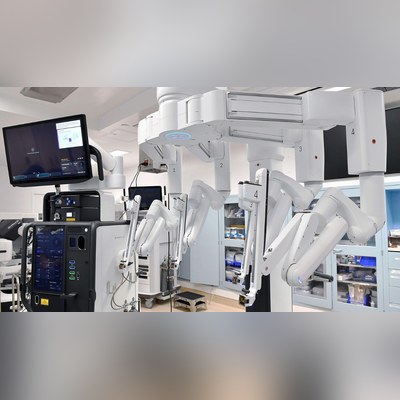
Dr. Javier Gallego Poveda, a specialist in Robotic and Minimally Invasive Cardiac Surgery at the Publio Cordón Memorial Hospital, explains how the first robotic mitral valve repair procedure was performed at our hospital using the da Vinci 5 system, the fifth generation of Intuitive's robotic platform.
“Minimally invasive heart surgery is now a reality,” notes the specialist, who explains how the evolution of these techniques allows for complex cardiac interventions to be performed through small incisions and high-precision robotic technology.
What does robotic mitral valve repair involve?
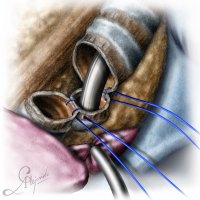
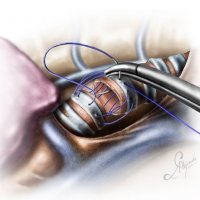
The mitral valve is a complex structure of the heart made up of two leaflets and a subvalvular apparatus that includes chordae tendineae and papillary muscles.
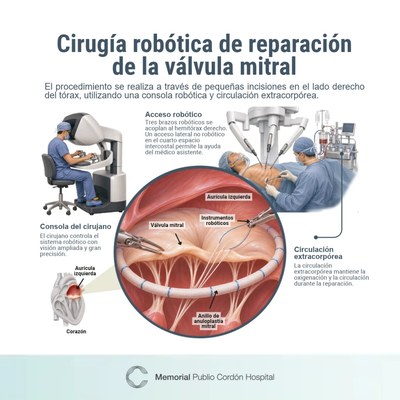
When the valve's characteristics allow, the repair aims to preserve its structure and function, avoiding replacement with a prosthesis. To achieve greater long-term stability, an annuloplasty ring can be used.
Dr. Gallego Poveda explains the differences between repairing and replacing the valve, as well as the specific features of mechanical and biological prostheses.
What advantages does robotic surgery offer compared to open-heart surgery?
In conventional surgery, access to the heart usually requires a sternotomy, that is, opening the sternum through an incision in the chest.
With the robotic approach, the procedure can be performed through a small lateral incision and two or three additional incisions of approximately 8 millimeters to insert the robot's arms.
The operation is performed under general anesthesia and requires cardiopulmonary bypass to allow the valve repair to be performed with the heart stopped.
This minimally invasive approach can offer significant benefits in selected patients:
Less surgical trauma by avoiding opening the sternum.
Less postoperative pain associated with surgical access.
Potentially faster functional recovery.
Reduced hospital stay in certain cases.
Earlier return to daily activities.
What is recovery like after robotic mitral valve repair?
The specialist explains that, in patients with a favorable outcome, the hospital stay can be around three or four days, with a faster recovery than that associated with conventional surgery via sternotomy.
The return to normal activities, such as driving or performing certain strenuous activities, will depend on clinical progress and the recommendations of the medical team.
Discover how robotic technology is transforming cardiac surgery
In this video, you will learn how a mitral valve repair assisted by the da Vinci 5 robot is performed, what the differences are compared to open surgery, and how new technologies are transforming minimally invasive cardiac surgery.
More information and contact
Robotic and Minimally Invasive Cardiac Surgery Unit
Publio Cordón Memorial Hospital
Specialist: Dr. Javier Gallego Poveda